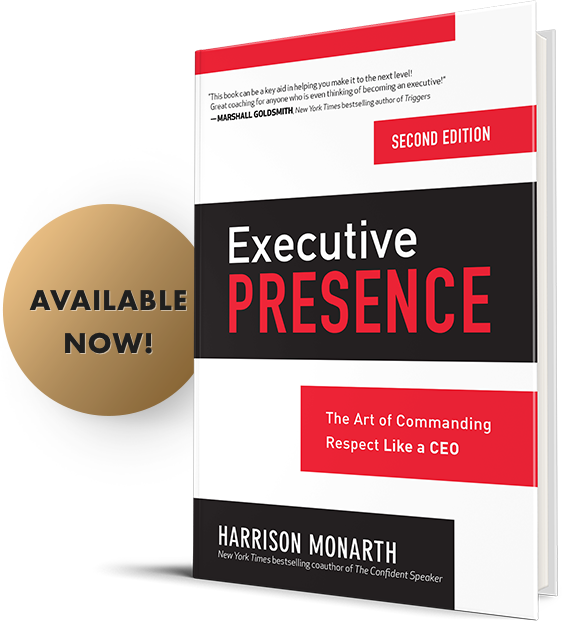
Talent and skills are important, but they alone won’t take you to the top of your organization. People reach highly influential positions because they deeply understand the power of perception and know how to leverage it in their favor. The good news is, anyone with the will to succeed can do it. Harrison Monarth’s international best seller, Executive Presence, provides all the techniques you need to take your career to the highest level of any organization.
The international bestselling guide—fully updated to put you on the fast-track to leadership excellence in today’s super-competitive world of business.
For more than a decade, this go-to guide has helped thousands of skilled, ambitious leaders take the leap from managing people well to driving innovative organizations. This new edition includes everything that has made Executive Presence a classic in the field of business leadership: straightforward, pragmatic coaching advice the author has shared with executives of organizations such as GE and MetLife to the U.S. Air Force and The Nature Conservancy. Plus, this updated edition comes with brand-new information and tools, including original chapters on:
- Detecting blind spots and behaviors that impair your executive presence
- Science-based emotion regulation strategies for maximizing your effectiveness in pressure situations
- Proven ways of preventing your leadership strengths from turning into leadership liabilities
You’ll also get current social media-and other strategies for building a powerful presence among staff and partners of different generations, from boomers to millennials to young Gen Y professionals. You’ll learn the latest storytelling methods for accomplishing strategic goals. And you’ll find eye-opening discussions around the topic of status—an issue that has changed dramatically over the past decade.
Harness the power of these smart, field-proven strategies to build your Executive Presence—and live your life to its fullest potential.
Please submit your name and email address to download your free excerpt of Executive Presence*.
*By submitting your name and email address, you agree to opt-in to the Gurumaker email list. You may unsubscribe at any time.
Take the Executive Presence Indicator and begin your journey today.
Executive Presence is not something you’re born with. It takes development and coaching to grow into a leader who is able to engage and influence people at all levels to consistently deliver superior results.
The first step is self-awareness. What are your unique areas of strength and opportunities for growth?
Take Our Free 15-Minute Executive Presence Assessment